
Rumors Send Tremors To Wall Street
And preseason shivers in Canada.
Editor - World View - Avenues
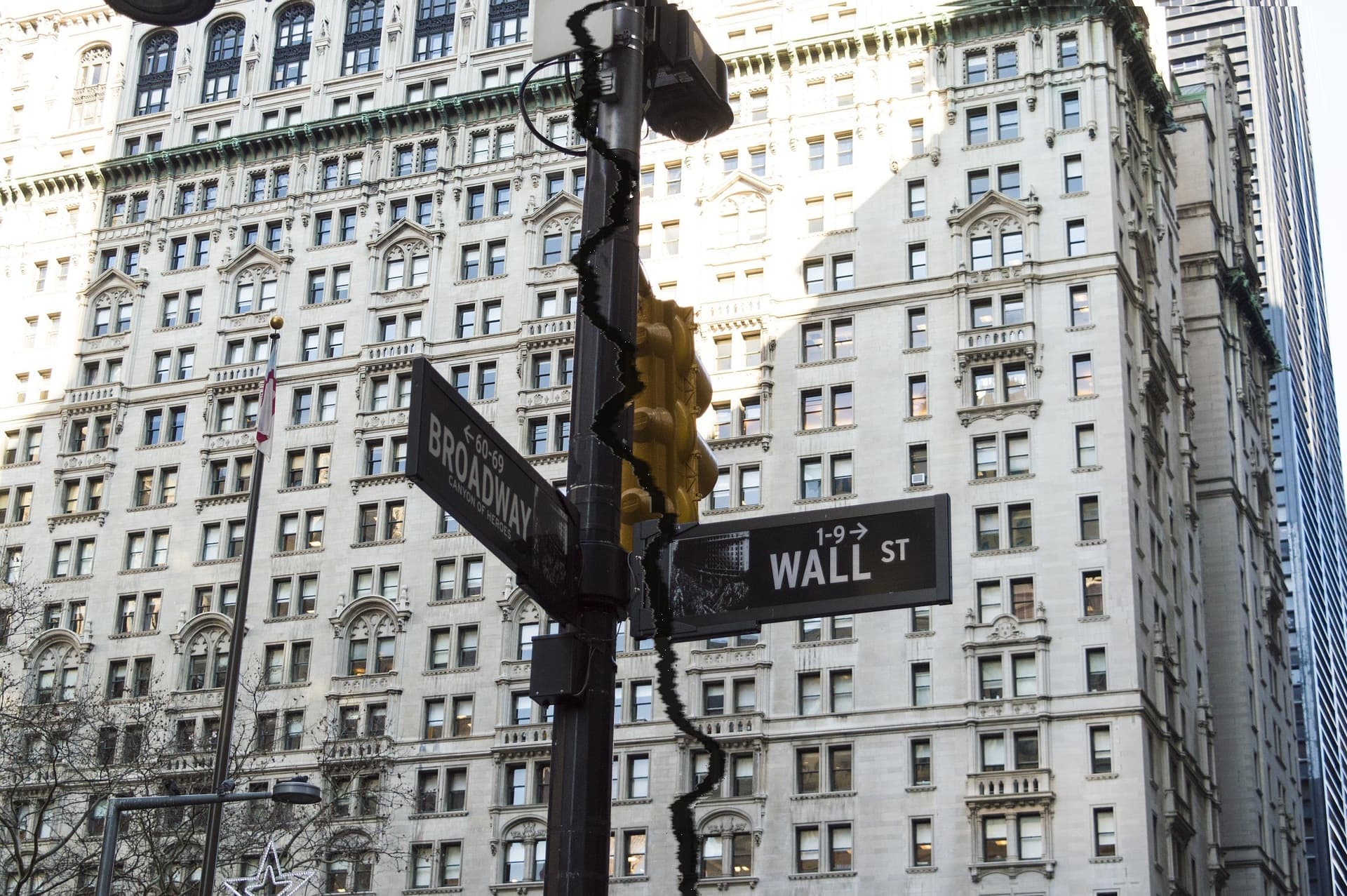
A rumor about one man’s health would not normally move the S&P 500. It does when that man is the center of a system that has spent a decade removing every other center.
Xi Jinping returned from the BRICS summit in New Delhi on 14 September. Official China has since issued letters and “instructions.” It has not, as of Thursday, put him on camera in a new Beijing setting. Opposition accounts filled the gap with stroke claims that remain unverified. Markets do not need those claims to be true. They need them to be possible in a week when Xi is supposed to sit across from Donald Trump in Washington.
That is how a rumor becomes a price.
The tape does not wait for a diagnosis
Wall Street’s China exposure is no longer the old story of endless consumer growth. It is a narrower, more political book: factories and tech supply chains, commodities, luxury names that still need Chinese buyers, and a 24 September summit that investors have treated as a cap on tariff and rare-earth risk.
A leadership scare hits that book in three waves.
The first is growth. China is already splitting in two. Exports and parts of the tech-industrial complex are holding up. The domestic engine is not. Youth unemployment for 16- to 24-year-olds, excluding students, rose to 18.9% in August. Property investment is still falling. Fixed-asset investment had its weakest stretch in years. Second-quarter growth was the slowest since the late-COVID period. Households have watched housing wealth erode for half a decade. They are not about to binge because a rumor dies. They also will not binge if the rumor lives. Either way, the China revenue line in a hundred 10-Ks gets marked down.
The second wave is geopolitics. The Washington meeting is the near-term event. If Xi appears, the rumor fades and the market treats the trip as proof of function. If he does not, the cap comes off. Rare earths, export controls, fentanyl talks, and the next tariff round stop looking like a negotiation and start looking like a vacuum. That is the channel that actually shocks U.S. multiples. Chip and defense-adjacent names do not need a Chinese bank run. They need uncertainty about who can make a deal stick.
The third wave is the classic risk-off: Treasuries, the dollar, gold, and a fresh round of “uninvestable” language around China ADRs and Hong Kong. Chinese stocks have already lagged the global AI boom this year. A political scare on top of a property slump is the excuse many global desks have been waiting for to cut and wait.
What the market is less likely to get is a cinematic collapse. Beijing can still force loan rollovers and push capital into the big state banks. The cost, if the people who know the system are right, is Japan, not Lehman: losses socialized, growth ground down, no overnight bankruptcy that exports a 2008-style shock. That is cold comfort for anyone long Chinese demand. A managed crunch still lowers the world’s second engine. It just does it slowly — unless politics accelerates it.
Why this rumor is more expensive than the last one
China watchers have priced Xi health scares before. Two things make this week different.
He has hollowed out the bench. The PLA purge has reached into the Central Military Commission itself. Dozens of senior officers are gone or missing. Even figures once counted as inner-circle have been removed. Personalist power is a hedge against rivals. It is a liability if the principal cannot be shown. There is no obvious stand-in whose appearance would calm a market. There is only Xi, or the absence of Xi.
And the calendar is tight. A rumor in a quiet month is commentary. A rumor in the week before a White House summit is a binary. Airlines, protocol teams, and equity desks are all watching the same question: does the body arrive?
Carney’s hedge sits on the same rumor
Mark Carney spent 2026 telling Canadians that the American door was too costly and that Canada must pivot. The numbers show the pivot in motion. Exports to China rose about 30% in the first half of the year, led by energy. Ottawa cut a deal to admit Chinese EVs at a low tariff in exchange for relief on canola and other farm goods. After trade talks with Washington collapsed and tariffs landed, that China channel was sold as strategy, not sentiment.
It is a strategy that assumes Beijing is a durable counterpart. Canola relief, EV quotas, and energy cargoes can survive a week of gossip. They cannot survive a leadership vacuum. Carney walked away from the market that still takes the bulk of Canadian exports and leaned on a system that hides its principal and has spent years purging anyone who might replace him. If China is politically brittle, Canada is not diversified. It is short the United States and long opacity.
That is the part that makes the former central banker’s position look like a punchline. Balance sheets can be stress-tested. Personalized autocracy cannot. Carney’s model of “pivot and prosper” has a single point of failure in Zhongnanhai, and this week that point is the subject of a rumor the official machine has chosen not to kill with a camera.
What Wall Street should actually watch
Not the next exile thread. Not another gait analysis.
Watch whether a dated Beijing appearance appears before the Washington date firms up. Watch whether the summit language stays in the present tense. Watch rare-earth and China-revenue names on any official schedule change. Watch Canadian energy and agriculture on the same headline, because Ottawa has tied a slice of its escape plan to the same man.
Rumors do not have to be true to send a tremor. They only have to land on a market that already knows China is weaker at home than the factory data imply, more concentrated at the top than it was a decade ago, and days from a meeting that only works if Xi Jinping can still walk into the room.
— Editor - World View - Avenues from Skyland Publishing